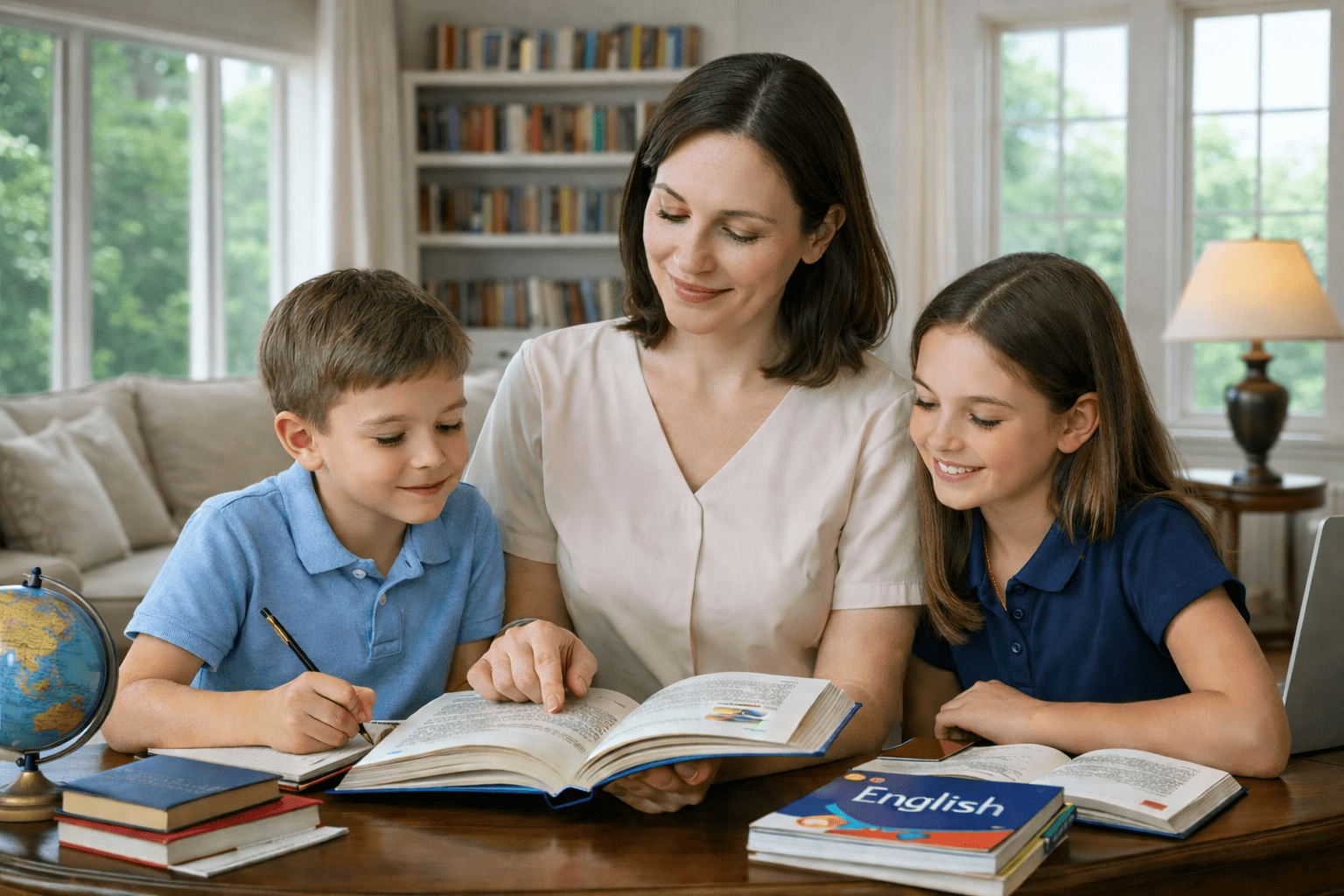
In families with high standards for education, upbringing, and a child’s future, parents increasingly choose not just care, but a structured and strategic approach to development. This is why the role of the governess comes to the forefront—a specialist who combines pedagogical expertise, a high level of responsibility, and individualized work with a child.
Who Is a Governess?
A governess is a personal educator responsible for a child’s home-based education and upbringing. Her role goes beyond supervision to include the development of intellectual, language, and social skills. She works with preschool and school-aged children, designing an educational process aligned with the family’s goals—academic, cultural, and linguistic.
How Is a Governess Different from a Nanny?
The key difference lies in the level of expertise and scope of responsibility. A nanny provides care, safety, and basic daily routines. A governess, on the other hand, is responsible for education and development. She plans lessons, monitors academic progress, supports adaptation to international schools, and fosters discipline and independence. These are distinct professions with different depths of responsibility.
Responsibilities of a Governess
The duties of a personal educator are always tailored to the family, but most often include:
- age- and level-appropriate education;
- development of speech, logic, memory, and critical thinking;
- foreign language instruction;
- assistance with homework and school readiness;
- teaching etiquette and communication skills;
- accompanying the child to classes and activities;
- monitoring daily routines and intellectual workload.
A governess builds a structured educational process focused on long-term results, which is especially important for children studying in an international environment.
Education and Skills Required of a Governess
A professional governess has a background in education or psychology and often holds international certifications. Essential qualifications include experience working with families or educational institutions, knowledge of child development methodologies, and a high level of language proficiency. Equally important are emotional intelligence, tact, confidentiality, and the ability to work with children in environments with high expectations.
Working Formats for a Governess
The format is selected based on the family’s lifestyle, the child’s schedule, and educational goals. Flexible arrangements ensure high-quality education and consistent development regardless of the country of residence.
Live-in Governess
An optimal option for families with demanding schedules or frequent relocations. The governess becomes fully integrated into the child’s daily life, providing stability, supervision, and continuity of education. This format is especially popular in Europe, the UAE, and the USA.
Live-out Governess
Suitable for families who value a clearly structured day. The governess works according to an agreed schedule, focusing on education and development without household duties.
Hourly or Part-Time Employment
Ideal for academic support, language practice, or exam preparation. A flexible format that maintains high professional standards.
Why Are Governess Services More Expensive Than Nanny Services?
The higher cost of a personal educator’s services is justified not by the working format, but by the level of impact on a child’s future. A governess builds the academic foundation, language confidence, discipline, and skills necessary for success in international schools and universities. In families where parents’ time is highly valued, a governess becomes a strategic partner.
Why Use an Agency to Hire a Governess?
Selecting a personal educator for a high-profile family is not standard recruitment—it is work built on trust, reputation, and long-term results. Home Staff International structures the selection process at a private service level. Each candidate undergoes professional, psychological, and background screening, which is critical for family privacy and security.
The agency’s international expertise enables the selection of governesses for Europe, the UAE, and the USA, taking into account visa requirements, local legislation, and cultural specifics. This minimizes risks for clients and ensures stable, long-term employment. Selection is based not on formal criteria, but on the real needs of each family and child.
Frequently Asked Questions (FAQ)
What does a governess do during the day?
She educates the child, conducts developmental lessons, oversees the learning process, assists with assignments, develops language and life skills, accompanies the child to activities, and structures the daily routine.
Can a governess combine nanny duties?
Yes, in some formats a personal educator may perform basic caregiving tasks, but education and development always remain the priority.
Is an employment contract required for a governess?
Yes. A formal contract protects the interests of both the family and the professional, regulates duties, schedule, compensation, and confidentiality—especially important in international employment.